
Blog
How We Handle Electrical Work on Live Industrial Sites in Bristol
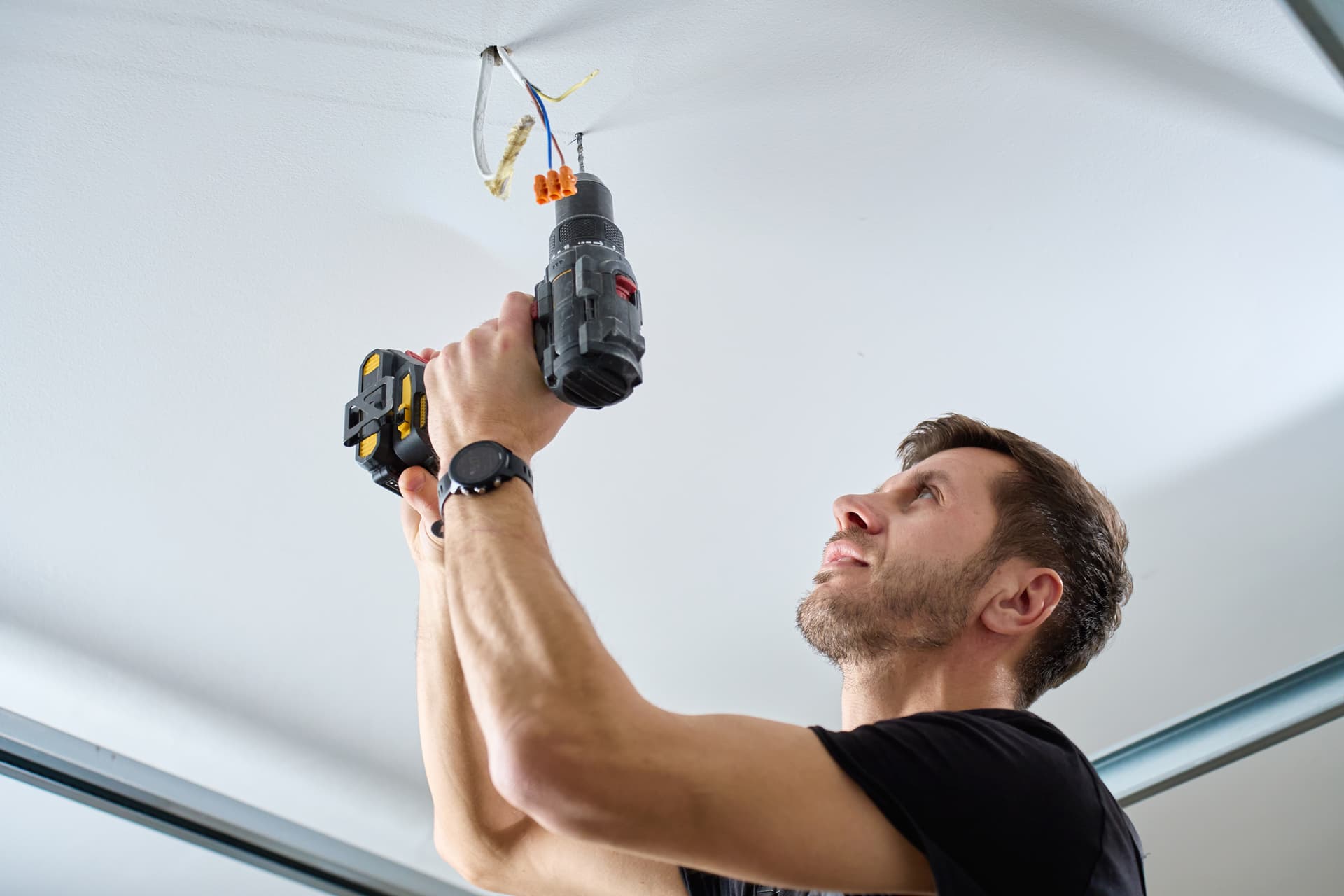
Live industrial work is about control, not convenience
A live industrial site is not simply a larger version of a domestic property. There may be machinery operating, vehicles moving through the building, multiple contractors on site and production processes that cannot be stopped without careful planning. Electrical equipment may also serve several areas through shared distribution systems.
That means the first task is not reaching for a tool. It is understanding how the site operates, what equipment depends on the circuit and where an electrical fault or unexpected shutdown could create a further hazard.
Our Industrial Electrical Services are planned around those conditions, with the work sequence shaped by the site rather than imposed on it.
What happens before work starts
We establish what must remain operational
Before considering switching anything off, we need to understand how the electrical system works and which parts of production rely on it. A circuit supplying a machine may also feed controls, extraction, lighting, pumps, alarms or communications equipment. Switching off the wrong point can create a fault somewhere that appears unrelated.
We look at the equipment involved, the distribution supplying it and the boundaries between electrical systems. We also need to know how the site is used during the work, including access routes, restricted areas and activities that could affect the safety of the task.
This is where site information matters. A workshop, warehouse and manufacturing unit may all have different risks, even if the electrical job appears similar on paper.
We agree the safest way to carry out the task
The safest option is normally to isolate the relevant equipment and prevent it from being re-energised while work takes place. On an industrial site, however, the correct isolation point may not be obvious from the machine itself. It may involve a main switch further back in the electrical system, a distribution board, equipment that controls motors or more than one power supply.
We identify what needs to be isolated, who controls that isolation and how the equipment will be proved safe before work begins. If a process cannot be stopped straight away, we assess the task much more carefully. Testing while equipment is powered should only be considered when necessary, with proper controls, suitable equipment and a suitably trained person carrying it out.
The fact that production is running is never, by itself, a reason to work live.
How we protect the site while working
We separate the electrical task from surrounding activity
Industrial premises are active working environments. People may not know that electrical work is taking place, and a machine may start automatically if its normal controls are not considered as part of the isolation.
We control the work area so that other site activity does not interfere with the task. This can include restricting access, identifying the equipment being worked on and making the boundary clear to people who are not part of the electrical work. The controls need to reflect the actual site, not just the electrical panel in front of us.
We also consider stored energy and other supplies. Motors, capacitors that can hold an electrical charge, fluid-powered systems, compressed-air equipment and moving parts can remain hazardous after electrical power has been removed. Safe isolation therefore means dealing with the whole equipment condition, not simply switching off a breaker.
We test before touching
A switch in the off position is not proof that equipment is safe. The correct sequence is to identify the power supply, switch it off, prevent it being switched back on and test that no electricity remains before touching the circuit. The tester itself also needs to be confirmed as working correctly.
This matters particularly where labels are unclear, circuits have been modified or equipment has more than one supply. It is also why industrial fault finding should not be attempted by unqualified staff who are under pressure to restore production. A wrong assumption at this stage can expose people to live conductors or cause damage to connected machinery.
When the work is complete
Restoring power is another controlled stage, not an afterthought. We check that covers, guards and connections are in place, that tools and temporary equipment have been removed and that nobody is still working within the affected area. We also check the machinery controls and safety devices before power is restored.
Where equipment has been altered or repaired, testing should confirm that it is suitable to return to service. The person responsible for the site should understand what was done, what remains isolated and whether any operational checks are needed before normal production resumes.
Good handover information prevents the next fault from becoming a search through assumptions. It gives site staff a clearer record of the work and helps future electricians understand the change.
Why the site context changes the answer
The right method depends on the equipment, the electrical distribution, the building layout and the consequences of interruption. A small industrial unit in Downend may have a very different arrangement from a larger premises in Filton, Fishponds or across the wider Bristol area.
That is why we do not treat live-site electrical work as a routine call to switch something off and get started. We establish the boundaries, control the risks and choose the least disruptive safe method for the actual installation.
If you need electrical work planned around an operating industrial site, speak to CT Electrical on 07813347808 or email info@c-t-electrical.co.uk. We can discuss the equipment, site constraints and information needed before any work is arranged.
Other Articles