
Blog
What Does a Consumer Unit Replacement Involve in a Bristol Home?
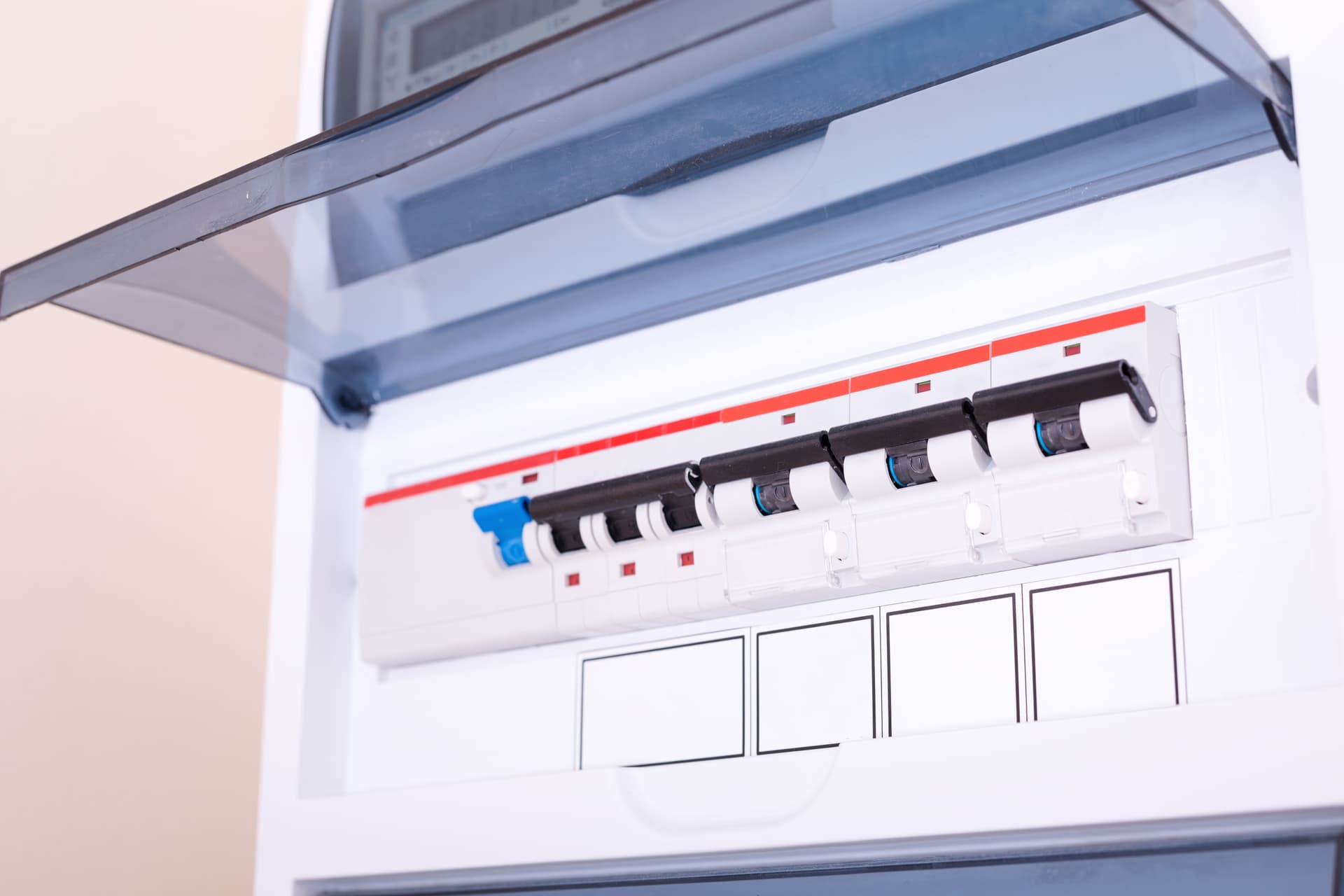
A consumer unit replacement is not simply a box swap
The consumer unit is where electricity is distributed to the individual circuits in your home. Replacing it affects the protection, isolation and organisation of the whole installation, so the work needs to begin with understanding what is already there.
At CT Electrical, we approach domestic electrical work across Bristol with the property in front of us, not a standard replacement package. A Victorian terrace in Downend may have a very different arrangement from a modern apartment in Clifton or a larger home in Emerson’s Green. The existing wiring, earthing, circuit layout and future plans all influence what the replacement involves.
If you need the broader service overview, you can read about our Domestic Electrical Services before arranging an assessment.
1. We assess the existing installation first
Before the old consumer unit is removed, we need to establish what it controls and whether the surrounding installation is suitable for the proposed upgrade. This means identifying the circuits, checking how they are connected and looking for signs of deterioration, overheating, poor alterations or missing information.
Circuit labels cannot always be trusted, particularly in older homes where rooms have been extended, sockets added or wiring altered over several decades. A circuit described as lighting may feed more than expected. A power circuit may include an extension or outbuilding. Confirming the arrangement helps prevent surprises when the supply is isolated and allows the work to be planned properly.
We also consider the condition of the cables entering the existing unit, the main earthing and bonding connections, which help provide a safe path if there is an electrical fault. A new consumer unit can improve protection, but it cannot make damaged or unsuitable wiring safe simply by being connected to it. If testing identifies a separate defect, that needs to be explained rather than concealed behind a new enclosure.
2. We choose protection to suit the circuits
Modern consumer units can be configured with protective devices such as RCDs and RCBOs. The important decision is not choosing the most impressive looking board. It is selecting protection that works appropriately with the circuits and the way your home is used.
An RCD is a safety device that cuts the power if electricity starts escaping from its intended path. An RCBO provides the same leakage protection while also protecting one individual circuit if too much current flows through it. The arrangement affects how a fault behaves. If several circuits share protection, one fault can interrupt power to more than one part of the property. Individual circuit protection can help limit the impact, although the correct design depends on the installation and the equipment being used.
This is also where future requirements may need to be considered. If you are planning an EV charger or solar PV installation, the available capacity, circuit arrangement and protective equipment may affect how easily that work can be integrated later. Preparing intelligently does not mean adding equipment you do not need. It means avoiding a replacement that creates an obvious barrier to a properly designed upgrade.
3. The supply is isolated and the unit is replaced
Once the scope is agreed, the electrical supply is safely isolated before the existing consumer unit is disconnected. You should expect power to be unavailable while the work is being carried out. We protect the working area, remove the old equipment and examine the cable ends and connections as they are exposed.
The new unit is then mounted and the circuits are connected in an organised way. Where the existing cable lengths, routing or circuit arrangement create a problem, additional work may be needed. That can include improving connections, correcting an identified issue or discussing access where a cable cannot be safely terminated as it stands.
The visible finish matters, but neatness is not the same as safety. A tidy unit should also have secure cable connections, sensible circuit grouping and clear identification. Labelling is particularly important in a busy household because it allows the correct circuit to be isolated when maintenance or an emergency requires it.
4. Every circuit is tested after the installation
The replacement is not complete when the front cover is fitted. Each relevant circuit needs to be tested to check that the wiring is continuous, the insulation is sound, the live and neutral connections are correctly arranged and the safety devices work properly. These tests help identify faults that may not be visible and confirm that the new equipment is connected correctly to the installation it protects.
Testing can also reveal problems beyond the consumer unit. A circuit may have a damaged accessory, a poor connection or an alteration that was not apparent during the initial visual inspection. If that happens, the safe next step is to explain the finding and agree any necessary further repair work. It is not appropriate to treat the consumer unit as a cure for every fault in the property.
The finished installation should be left with clear circuit information and the relevant electrical documentation for the work completed. Keep this with your property records, particularly if future electrical work is planned or another electrician needs to understand the installation.
What you should clarify before work starts
Ask which circuits are included, whether any existing defects have been found and whether the proposed arrangement allows for your known requirements. Tell us about outbuildings, electric heating, larger appliances, an EV charger or solar PV plans before the replacement is designed.
That information can change the practical solution and helps avoid paying for work that needs to be altered later. For homes across Bristol, Downend, Fishponds, Filton and surrounding areas, we can assess the existing installation and explain what the replacement involves before work begins.
Other Articles