Blog
Can You Add a Battery or EV Charger to Solar Panels?
The answer depends on how your home uses electricity
Solar panels, a battery and an EV charger can work together, but they do different jobs. Panels generate electricity when there is daylight. A battery stores some of that electricity for later. An EV charger supplies electricity to your car. Whether it makes sense to combine them depends on your property, your existing system and when you use power.
That is why the useful question is not simply whether a battery or charger can be added. It is whether the equipment can be connected safely and whether the arrangement suits your daily routine. Our Solar PV Installation service takes the property and the intended use into account when planning a system.
If you already have solar panels
Start with the equipment already installed. The inverter converts the panels’ output into electricity your home can use. Some systems are designed to work with a battery, while others may need additional equipment or a different configuration. The inverter model, system layout and available space for equipment all matter. A battery should not be assumed to be a simple add-on just because panels are already on the roof.
The age and condition of the existing installation are relevant too. If you do not have the original system details, an electrician may need to identify what is fitted before anyone can confirm suitable options. It is also worth checking whether the existing installation has monitoring, as that can help show when electricity is being generated and used.
A battery is most useful when your home regularly has surplus solar generation at one point in the day and demand for electricity later. If most of your electricity use happens while the panels are generating, there may be less surplus to store. If demand rises after generation tails off, stored energy may be more relevant. Your actual pattern matters more than a general claim that batteries suit every solar home.
If you are planning solar and an EV charger together
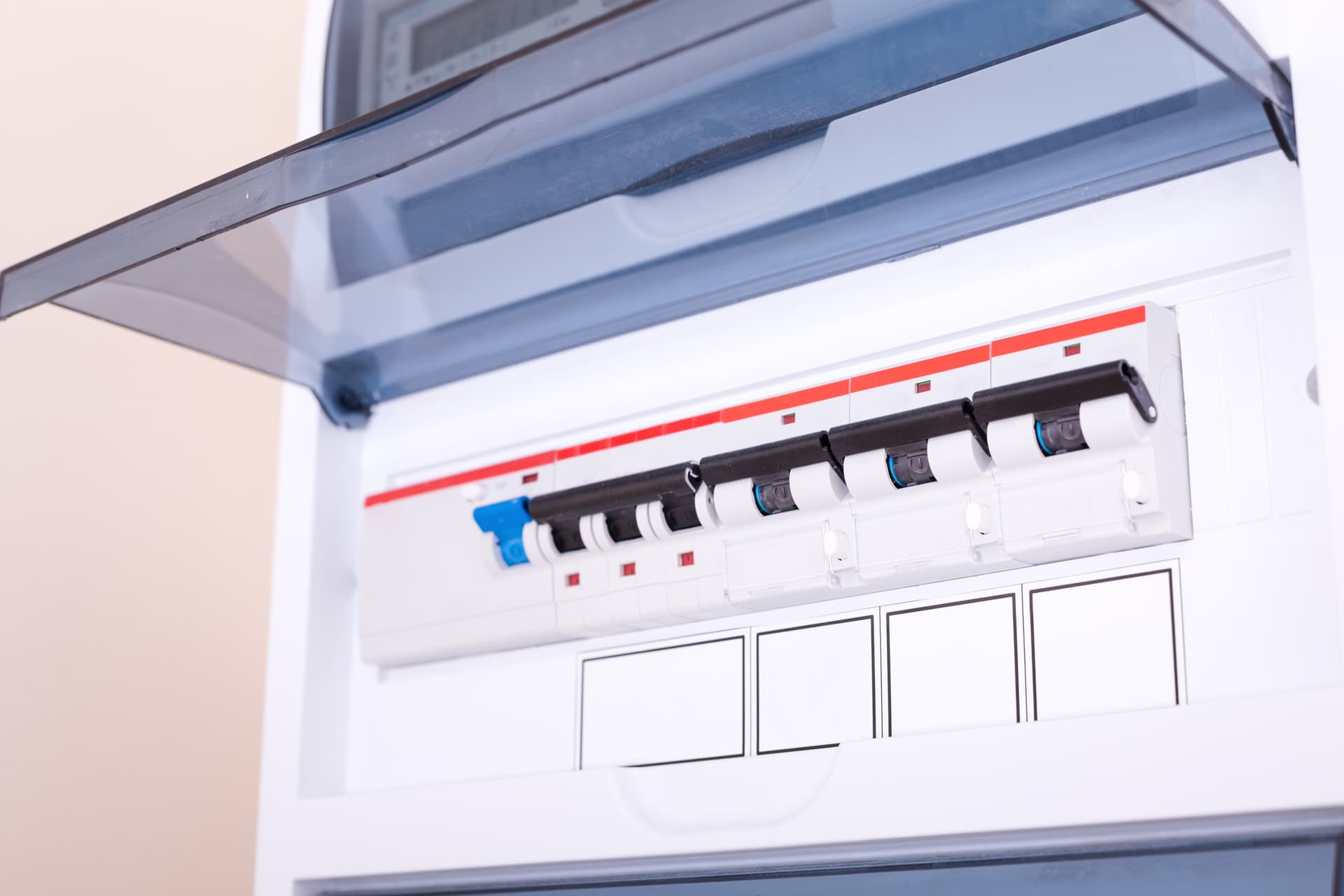
Think about where the car is parked in relation to the consumer unit (fuse box) (fuse box) and the likely charger position. In Bristol, a home with a drive beside the property has a different cable route from a terraced house where parking is away from the building. The distance, access and route through or around the property can affect the installation design.
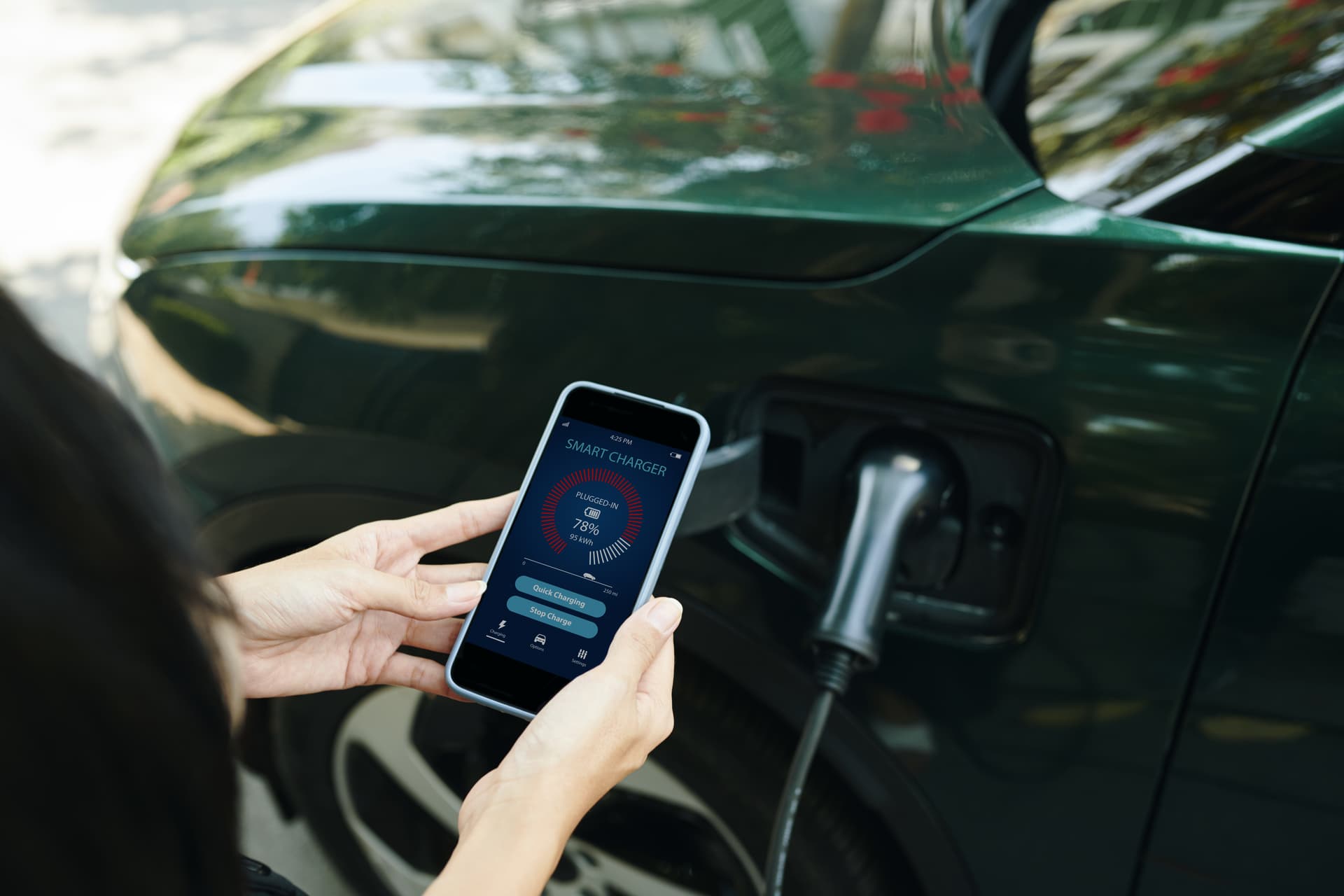
Then consider when the car is usually at home. Solar generation varies through the day, so charging from surplus solar depends on the car being connected when that surplus is available. If the car is generally away during those hours, you may use the charger at other times instead. A charging arrangement can still suit the property, but the expected pattern should be clear before decisions are made.
The charger and solar system also need to be considered as part of the property’s electrical installation. The available capacity, existing equipment and proposed cable route affect what can be connected and how the work should be planned. Do not open electrical equipment or attempt to connect a charger yourself. Have a qualified electrician assess the installation.
What changes from one property to another
The same equipment can be straightforward in one home and less suitable in another. A newer installation may have compatible equipment already in place. An older solar system may need more investigation before an addition is selected. A property with limited space for electrical equipment may need a different layout from one with a suitable location close to the existing system.
Household use is just as important. Consider when people are home, whether hot water or other major high-use appliances run during the day, and how often an EV is parked at the property. These details help distinguish a system designed around real use from one based on assumptions.
For homes around Downend and Bristol, roof generation is only part of the picture. The position of the consumer unit, the route to the parking space and where equipment can be located all influence the practical design. A site assessment helps connect those details rather than treating panels, storage and charging as separate decisions.
What to have ready before discussing options
You can make the initial conversation more useful by gathering any existing solar paperwork, inverter details and monitoring information. Note when the property uses most electricity, where the car is normally parked and whether you expect that routine to change. These are observations, not electrical checks: leave equipment inspection and electrical testing to a qualified person.
There is no need to choose a battery simply because you are considering an EV charger, or to select a charger based on assumptions about solar surplus. The right arrangement depends on compatibility, installation conditions and how you expect to use the electricity.
If you are weighing up solar, storage or charging at home, speak to us at CT Electrical about your property and the options you are considering. We can discuss Solar PV and EV charger installation in the context of your home’s existing electrical setup.
Other Articles